
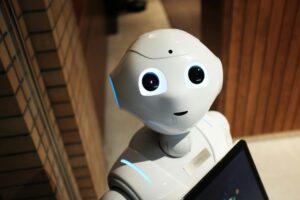
Artificial intelligence continues to transform industries across the globe — from finance to education, from entertainment to customer service. But when it comes to the art of public speaking, one question often surfaces: Can AI truly replace human speakers? The answer, at least for now, is no. While technology can assist, it cannot yet replicate the emotional depth, connection and spontaneity that define authentic human communication.
Speaking Is More Than Words
Public speaking is a deeply human craft. It’s not just about delivering sentences but expressing tone, emotion and intent through voice, posture and presence. An audience responds not only to what is said, but also to how it is said. A pause, a smile or a change in rhythm can transform meaning — subtleties that no algorithm can convincingly recreate. AI can process data, but it cannot feel the heartbeat of an audience.
The Power of Adaptability
A great speaker reads the room — adjusting pace, energy or tone based on audience reactions. Whether it’s handling unexpected questions or sensing a moment that calls for humour or empathy, adaptability is key. AI systems, though increasingly advanced, follow patterns and predictions. They lack the intuition that allows a human to connect, respond and inspire in real time.
Humans and AI — A Partnership
AI tools can still play a supportive role. They can help structure a speech, analyse feedback or generate practice scenarios. Used wisely, they make preparation faster and more data-driven. But the spark of a live presentation — that human ability to connect heart to heart — remains irreplaceable.
The future may bring more sophisticated tools, but the voice that truly moves people will always be human. So, embrace AI as your assistant, not your substitute. March forward confidently on your speaking journey, knowing that no machine can replace your presence, passion or personal story.


Leave a Comment